How Invisalign Calabasas CA Fits Modern Dental Care
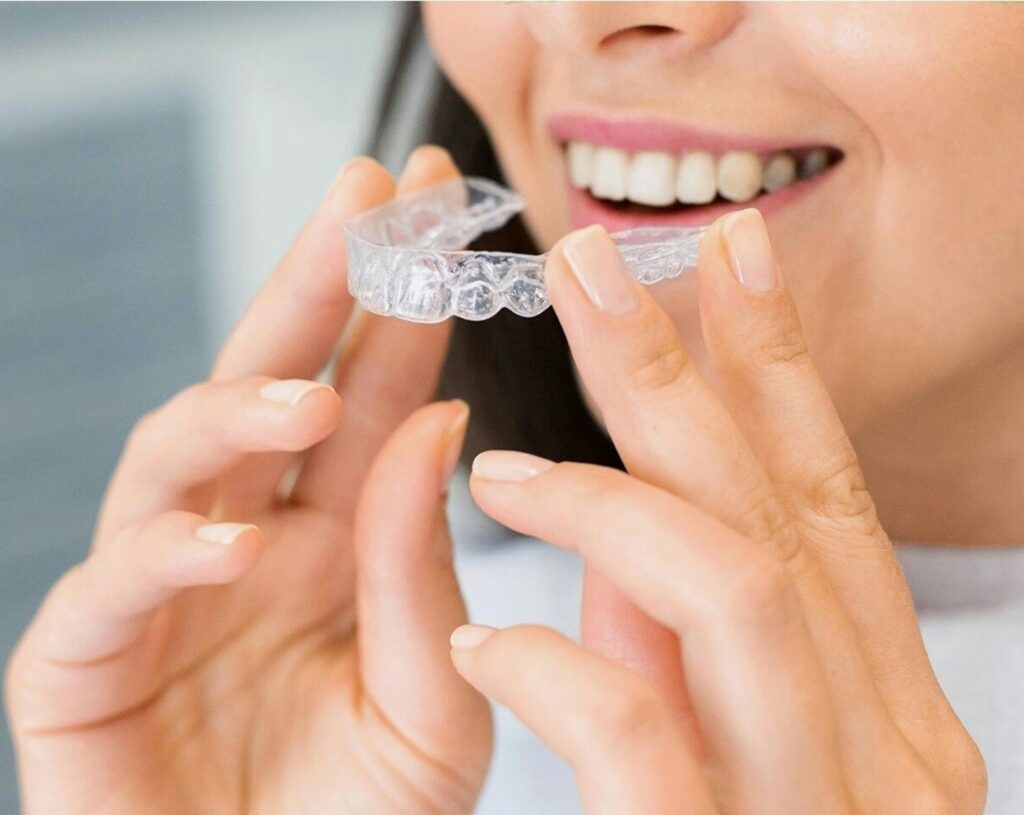

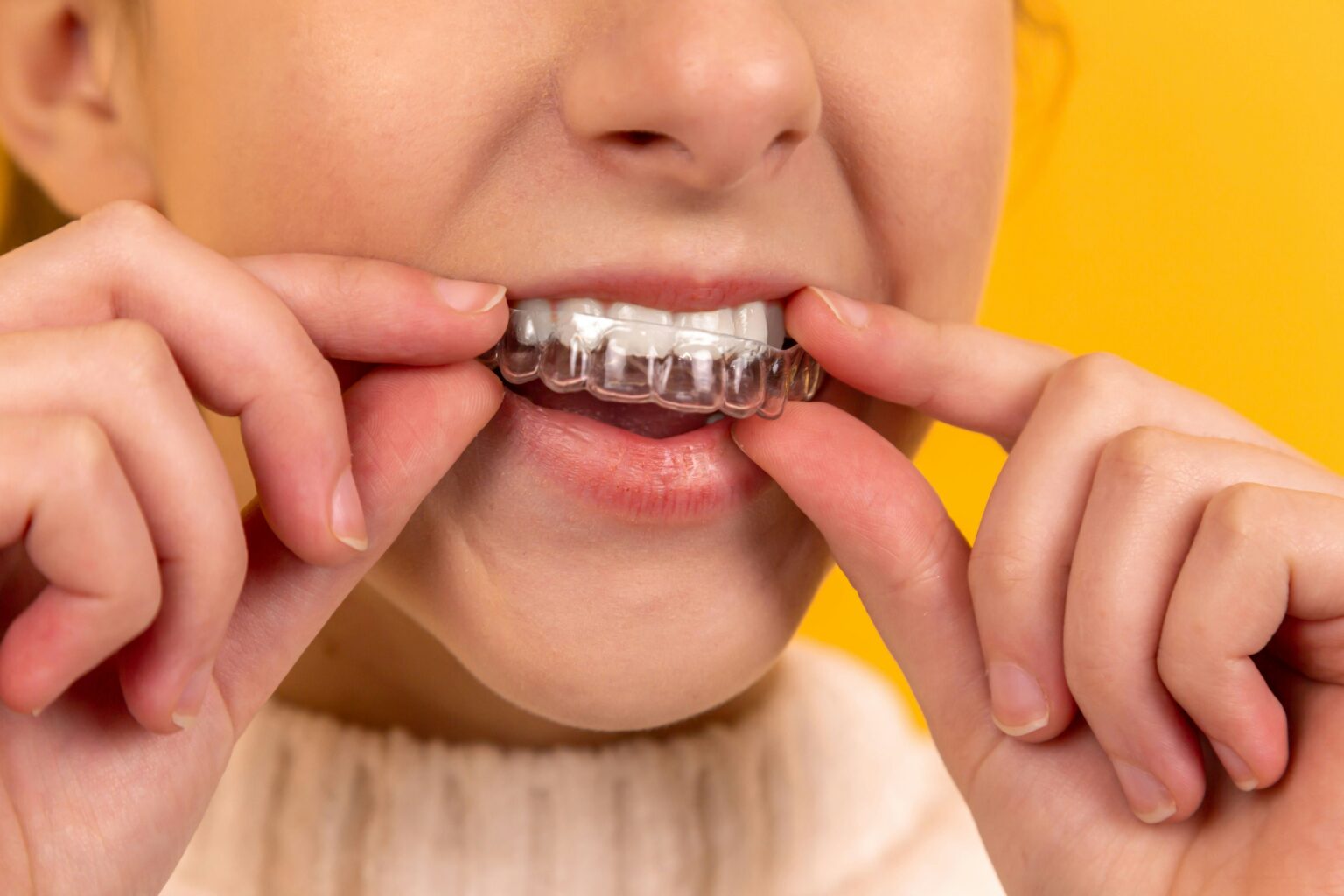
Modern dental care is no longer limited to fixing pain, filling cavities, or recommending a routine cleaning every six months. It has become more comprehensive, more preventive, and far more tailored to the way people actually live. That shift is one reason clear aligner treatment has become such a meaningful part of contemporary practice. When patients ask about Invisalign Calabasas CA, they are usually asking for more than straighter teeth. They want convenience, discretion, comfort, digital precision, and a treatment plan that fits work, family, social life, and long term oral health.
That is an important change. Years ago, many people thought orthodontic care was mostly cosmetic or mostly for teenagers. In practice, tooth alignment affects much more than appearance. Crowded teeth can be hard to clean well. Bite problems can contribute to uneven wear, chipping, gum irritation, and, in some cases, jaw strain. Spacing issues can trap food, complicate flossing, and frustrate even highly motivated patients. Orthodontic treatment, when carefully planned, often supports the broader goals of dentistry rather than sitting off in a separate category.
Invisalign has found a strong place in that model because it fits the rhythm of modern practice. It blends digital diagnostics, staged movement, patient participation, and interdisciplinary planning in a way that feels current without being gimmicky. In a community like Calabasas, where patients often balance demanding schedules with high expectations for aesthetics and function, that matters.
A treatment philosophy that matches current dentistry
The older image of dentistry was reactive. Something hurt, broke, or became impossible to ignore, and then treatment began. Contemporary care is more proactive. Dentists now spend more time evaluating airway concerns, bite relationships, gum health, wear patterns, facial balance, and the way one issue can amplify another over time. Orthodontics is part of that conversation.
A simple example makes the point. A patient may come in wanting whitening or veneers because they are unhappy with their smile. On examination, the front teeth are slightly rotated, the lower arch is crowded, and the bite places too much pressure on one side. Restorative work alone might improve color, but it would not solve the alignment issue, and it could even require unnecessary removal of healthy enamel to mask a problem that tooth movement could address more conservatively. In that scenario, clear aligners are not just a cosmetic add on. They are a foundational step in a more thoughtful treatment sequence.
This is where Invisalign Calabasas CA fits modern dental care especially well. It allows providers to move teeth with precision while coordinating with other needs, whether those involve periodontal treatment, restorative work, whitening, implant planning, or long term maintenance.
Why aesthetics matter, even in a health centered plan
Some clinicians used to downplay appearance, as though a patient’s concern about confidence or photographs was somehow less legitimate than a concern about plaque retention or occlusal wear. That view does not hold up in real practice. Patients live with their smiles every day. They speak, laugh, attend meetings, go on dates, interview for jobs, and show up in family pictures. Feeling self conscious about crooked or uneven teeth can shape behavior in subtle ways.
The popularity of clear aligners reflects that reality. Many adults who would never have considered traditional braces become willing to pursue orthodontic treatment when the system is discreet. The trays are not invisible in every light or at close range, but they are far less noticeable than brackets and wires. For professionals, public facing workers, and older adults who postponed treatment for years, that difference is often decisive.
At the same time, aesthetics in modern dentistry is not vanity in disguise. It is part of quality of life. When a treatment improves smile symmetry while also making teeth easier to clean and reducing traumatic bite forces, the cosmetic and functional benefits reinforce each other.
Digital planning changed the patient experience
One of the clearest ways Invisalign aligns with current dental care is the use of digital workflow. Traditional orthodontic impressions were messy, uncomfortable, and often disliked. Digital scanning changed that. Instead of trays filled with impression material, many practices now capture a three dimensional image of the teeth in minutes. Patients can often see their current alignment on screen, discuss crowding or spacing in real time, and better understand what is being proposed.
That matters more than people expect. When patients can visualize the starting point and the likely direction of movement, treatment becomes easier to understand and easier to commit to. There is less mystery. There is also more room for discussion. A provider can explain why certain movements are straightforward, why others may require attachments or refinements, and how the bite is expected to change throughout treatment.
Digital planning also supports better coordination. If a patient needs restorative work after alignment, the dentist can plan from a more favorable tooth position. If gum inflammation is present, periodontal care can be stabilized before active movement. If a tooth is worn or chipped, the provider can time bonding or contouring more precisely. That kind of sequencing is one hallmark of modern dentistry. Care is less compartmentalized than it used to be.
Invisalign is not just for minor cosmetic cases
One of the biggest misconceptions patients bring into the office is the idea that clear aligners are only suitable for small adjustments. That may have been closer to the truth in the early years, but it is too simplistic now. Invisalign can address a wide range of concerns, including crowding, spacing, some overbite and underbite issues, crossbites, and relapse after previous orthodontic treatment. The key phrase is some cases, not all.
Judgment matters here. A good provider does not promise that every bite problem is best treated with aligners. Severe skeletal discrepancies, complex jaw relationships, impacted teeth, or cases requiring significant vertical control may need another approach or a referral to a specialist. The strength of modern care lies partly in choosing the right tool, not forcing one system onto every patient.
In everyday practice, a large share of adult orthodontic concerns falls into the zone where aligners are highly effective. Many adults had braces as teenagers and lost alignment years later after inconsistent retainer use. Others never had treatment and have mild to moderate crowding that worsened gradually over time. Lower incisor crowding is especially common, and patients often notice it all at once in photos even though the change took years. These are the kinds of cases where clear aligners often fit beautifully into a comprehensive care plan.
The role of patient compliance, which modern dentistry does not hide
Clear aligners are popular partly because they offer freedom. That freedom comes with responsibility. Unlike fixed braces, aligners can be removed, and that means success depends heavily on wear time. Most providers recommend around 20 to 22 hours per day. Patients who wear trays inconsistently often stretch treatment longer than expected, compromise tracking, or need additional refinement stages.
This is one area where realistic counseling matters. Modern dental care is transparent about trade offs. Aligners are more convenient for eating, brushing, flossing, and appearance. Fixed braces may be better for patients who know they will struggle with compliance or whose tooth movements are especially demanding. Neither option is morally better. They simply ask different things of the patient.
In practice, adults often do well with aligners because they understand the purpose and have strong motivation. Teenagers can also be excellent candidates, especially with family support and good routines. But the removable nature of the trays is not a minor detail. It is central to the treatment experience.
Why lifestyle fit matters in Calabasas
Location always shapes how a treatment is perceived and used. In Calabasas, many patients are balancing professional obligations, social visibility, active schedules, and family commitments. They may want a lower profile option that does not draw attention during presentations, filming, networking events, or community activities. They may also value fewer emergency visits than traditional braces sometimes require when a bracket loosens or a wire irritates the mouth.
That lifestyle fit explains why interest in Invisalign Calabasas CA continues to be strong. The treatment tends to work well for adults who want care woven into life rather than forcing life to revolve around care. Trays can be removed for meals, which means no long list of food restrictions. Oral hygiene is generally simpler because patients can brush and floss normally. Follow up visits are often efficient, especially in straightforward cases where progress is tracking well.
None of this means the process is effortless. Patients still need discipline. They need to manage wear time, keep trays clean, and switch aligners on schedule. But compared with older orthodontic experiences, the treatment often feels more compatible with adult routines.
The connection between alignment and oral health
The strongest argument for orthodontic treatment in modern care is often not the smile reveal at the end, although patients naturally care about that. It is what better alignment can do for day to day maintenance and long term preservation.
When teeth overlap tightly, brushing may miss narrow surfaces and floss may shred or be skipped. That does not mean every crowded smile leads to disease, but it certainly increases the challenge. Even highly conscientious patients can struggle to keep those areas clean. Over years, that may raise the risk of localized gum inflammation, bleeding, tartar buildup, or recession around vulnerable teeth.
Bite relationships matter as well. A tooth that absorbs too much force can show wear faster than its neighbors. Small chips at the edges of front teeth often tell part of that story. Some patients grind or clench, and when the bite is uneven, the pattern of damage can become more pronounced. Aligning teeth and improving contact relationships does not cure every grinding habit, but it can make restorative outcomes more stable and night guards more effective.
This is where interdisciplinary thinking becomes valuable. Orthodontic treatment may support periodontal stability, restorative longevity, and preventive care all at once. That integrated approach is exactly how modern dentistry tends to work at its best.
What the treatment process usually looks like
The process usually begins with diagnosis rather than salesmanship. A thorough exam should consider gum health, cavities, existing crowns or fillings, bite function, history of jaw discomfort, and the patient’s actual goals. Sometimes the goal is broad, such as improving smile balance and crowding. Sometimes it is highly specific, such as making space for an implant, uprighting a tipped tooth, or aligning front teeth before cosmetic bonding.
From there, digital records are taken and a plan is developed. Patients often want to know how long treatment will last, and the honest answer depends on complexity and compliance. Some mild cases may finish within several months. Moderate cases often take around a year or more. Refinements are common. That should not be framed as failure. Fine tuning is part of careful orthodontic work.
Most patients settle into a rhythm quickly:
- Wear the aligners most of the day and night.
- Remove them for meals, coffee if preferred, and oral hygiene.
- Change to the next set on the schedule provided by the dentist or orthodontist.
- Return for progress checks so tracking, attachments, and bite changes can be evaluated.
- Transition to retainers after active treatment to hold the result.
That final step deserves emphasis. Teeth have memory. Without retention, relapse is common. Many adults seeking treatment now are dealing with the consequences of retainer neglect after braces years ago. A modern treatment plan should discuss retention early, not as an afterthought at the end.
Attachments, refinements, and other details patients do not always expect
Marketing can make clear aligners sound almost frictionless. Real treatment is more nuanced. Many cases require small tooth colored attachments bonded to certain teeth. These help the trays grip and guide specific movements. Most are subtle, but they are visible up close. Some patients also need interproximal reduction, Invisalign Calabasas CA a conservative polishing between selected teeth to create tiny amounts of space. That sounds alarming when explained poorly, but in skilled hands it is controlled and minimal.
Refinements are another point worth normalizing. After the initial series of trays, additional scans and a second set of aligners may be needed to perfect alignment or settle the bite. This is not unusual. Teeth do not always move exactly like software predicts, especially when roots, bone response, and wear habits vary from person to person.
Patients appreciate this more when expectations are managed early. Modern dental care does not rely on glossy promises. It works best when the provider explains the ideal path, the common detours, and the reasons behind adjustments.
Cost, value, and the bigger financial picture
Patients understandably focus on cost, and clear aligner treatment is a meaningful investment. Fees vary by case complexity, provider experience, geographic area, and whether treatment is limited or comprehensive. Insurance may help in some cases, especially when orthodontic benefits are available, though adult coverage is often partial rather than generous.
What matters clinically is value, not just price. If alignment improves hygiene access, reduces uneven wear, and helps avoid more invasive cosmetic work, the financial picture changes. A patient who first considered six veneers to camouflage mild crowding may find that orthodontic movement preserves more natural tooth structure. Another patient who chips the same front tooth repeatedly because of bite stress may gain stability after alignment and bite correction.
That does not mean Invisalign is always the most economical path. Some patients have concerns so minor that selective bonding or contouring may be enough. Others need comprehensive orthodontics beyond what a general practice routinely handles. Sound recommendations come from diagnosis, not from assuming the most popular option is automatically best.
Choosing the right provider matters as much as choosing the system
Patients sometimes speak about Invisalign as though the brand alone determines the outcome. It does not. The trays are a tool. Planning, case selection, monitoring, and midcourse adjustments make the difference between an average result and a stable, healthy one.
A provider needs to understand not only how to move teeth on a screen, but how those movements affect the bite, the gums, the facial profile, and any planned restorative work. That is especially true in adults, where old dental work, recession, missing teeth, and wear patterns complicate what might otherwise look like a simple alignment case.
When evaluating Invisalign Calabasas CA options, patients benefit from asking practical questions. How often does the provider manage aligner cases? Will treatment be coordinated with any needed restorative or periodontal care? What happens if tracking goes off course? How is retention handled after treatment? These are better Invisalign Calabasas CA questions than simply asking for the fastest timeline or the cheapest quote.
Where clear aligners do not fit perfectly
A balanced discussion should acknowledge limitations. Aligners can stain if worn while drinking dark beverages regularly. They can feel snug or pressure heavy for the first day or two after a tray change. Speech may be slightly affected at first, especially with certain sounds, though most patients adapt within days. People who snack frequently sometimes find the constant remove, rinse, brush, replace cycle annoying. Patients with untreated gum disease are not ready for orthodontic movement until the tissues are healthier.
There are also human factors. Some people misplace trays. Some forget to switch to the next set. Some leave aligners out during long dinners and social events, then wonder why treatment slowed down. These are not dramatic failures, but they are real-life issues, and they illustrate why aligners suit some personalities better than others.
Still, those limitations are usually manageable when discussed openly. The modern model of care respects the patient enough to be candid about inconvenience rather than pretending every treatment is seamless.
The larger significance of Invisalign in modern practice
The reason Invisalign has become so established is not just branding or aesthetics. It reflects a broader evolution in dentistry. Patients want treatment that is preventive, minimally disruptive, digitally informed, and integrated with overall oral health. Providers want tools that allow precise planning, efficient follow up, and coordination with other services. Clear aligners meet those expectations in many cases.
They also support a more conservative mindset. Instead of masking every irregularity with restorative material, clinicians can often reposition teeth first and restore only what truly needs restoration. That is good dentistry. It preserves structure, respects biology, and often produces a result that feels more natural over time.
For the right patient, the appeal is easy to understand. Treatment is discreet. Hygiene stays manageable. Appointments are usually straightforward. The plan can be highly customized. And when the case is properly diagnosed, the benefit extends beyond cosmetic improvement into function, maintenance, and long term confidence.
That is why Invisalign Calabasas CA fits so comfortably within modern dental care. It matches the way people live now, and it supports the way thoughtful dentistry is practiced now, with precision, prevention, flexibility, and a clear view of the whole patient rather than a single isolated concern.
Oaks Dental
5000 Parkway Calabasas, Suite 308
Calabasas, CA 91302
(818) 643-6521
FAQ About Invisalign Calabasas CA
How many hours a day should I wear Invisalign?
Clear aligners are typically worn for 20 to 22 hours a day. Follow your dentist’s instructions for your specific treatment plan.
What age is best for Invisalign?
Many teens and adults can use clear aligners. A dentist can assess dental development, oral health, and the type of tooth movement needed.
What affects the cost of Invisalign in California?
Cost depends on the complexity and length of treatment and what the quoted plan includes. Ask for an itemized estimate and check any orthodontic coverage with your insurer.