The Lifestyle Benefits of Invisalign Calabasas CA
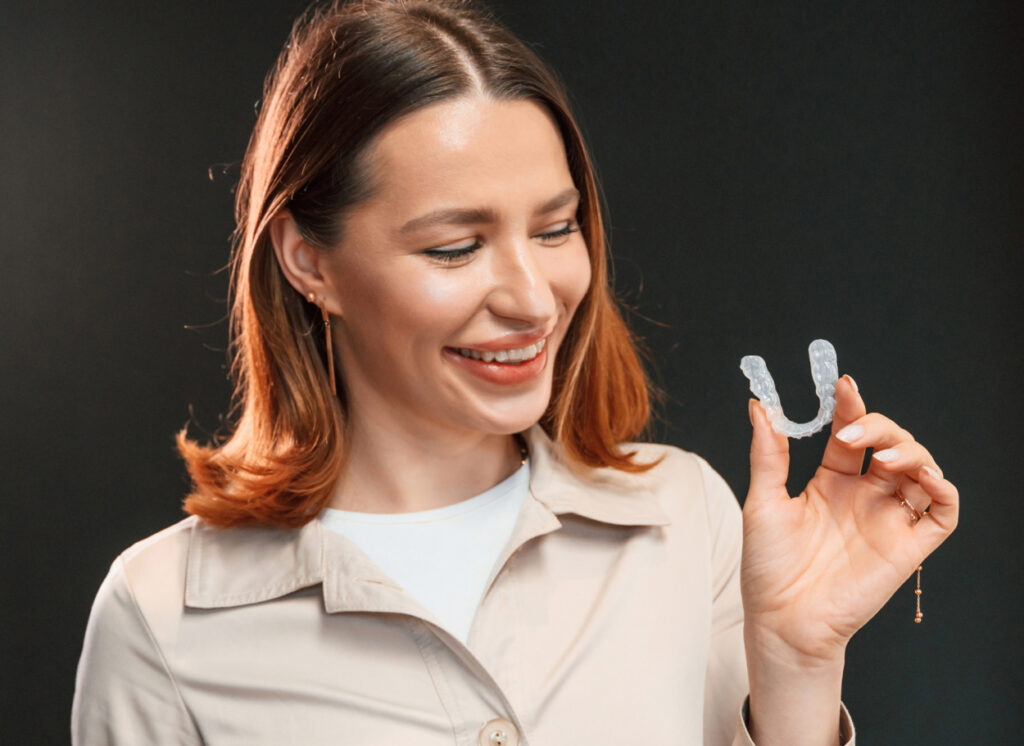
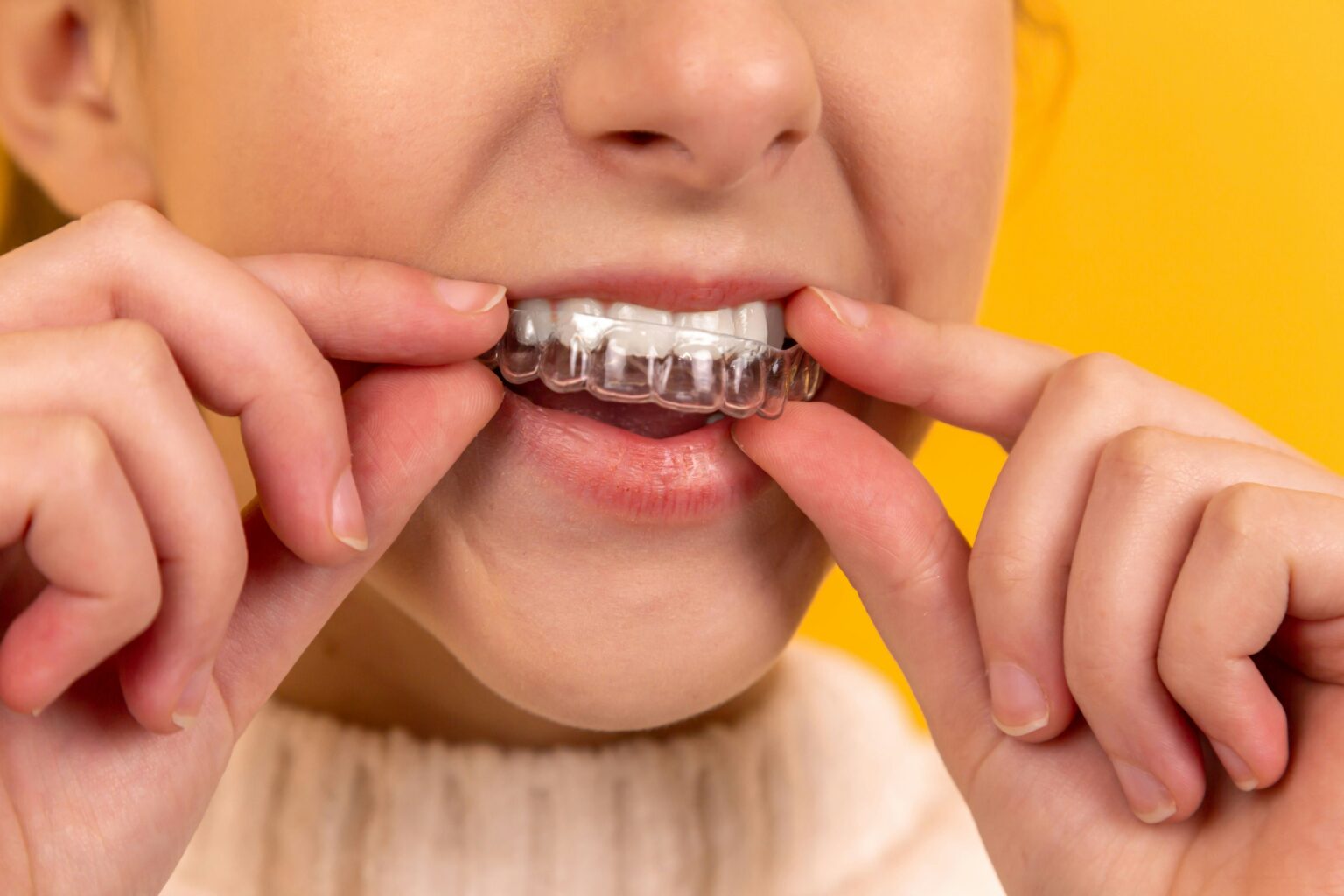

A straighter smile changes more than appearance. It can alter how a person speaks in meetings, smiles in photos, orders lunch with clients, and moves through a busy day without thinking about wires or brackets. That is why the conversation around orthodontic treatment has shifted over the years. People are not only asking whether a treatment works. They are asking how it fits into real life.
For adults and teens in a place like Calabasas, where personal presentation, packed schedules, and social visibility often overlap, that question matters. Orthodontic treatment used to come with an obvious trade-off. You accepted metal hardware, dietary restrictions, and a different look for a year or two in exchange for long-term results. Invisalign changed that calculation for many patients. The clinical goal is still tooth movement, but the day-to-day experience feels very different.
When people search for Invisalign Calabasas CA, they are usually looking for more than a technical explanation of clear aligners. They want to know what treatment feels like at work, at school, at dinner, during workouts, on camera, and while traveling. Those practical lifestyle details often shape the final decision more than anything else.
Why lifestyle fit matters as much as treatment mechanics
Orthodontic treatment succeeds when people can stay consistent. That sounds simple, but consistency depends heavily on comfort, routine, and motivation. If a treatment makes eating harder, brushing more difficult, or confidence worse before it gets better, many patients struggle to stick with it. Even highly motivated adults can become frustrated when treatment keeps interfering with business lunches, speaking engagements, or family events.
Invisalign tends to work well for people who want correction without turning their life upside down. The aligners are removable, nearly invisible at conversational distance, and generally easier to manage than traditional braces for people with full calendars. That does not make them effortless. You still need discipline. The trays have to be worn as directed, usually around 20 to 22 hours a day, and they need to be removed before eating or drinking anything other than water. But for many patients, those habits feel easier to build than the compromises metal braces demand.
In practice, that difference can be significant. A person who dreads the appearance of braces may keep postponing treatment for years. The option to straighten teeth discreetly often moves treatment from “someday” to “now.”
A more discreet look, without the social weight of braces
The most obvious lifestyle benefit is the one patients notice first. Invisalign aligners are clear, low-profile, and far less noticeable than brackets and wires. This matters for teenagers, but it matters even more for adults who spend their days in visible professional or social settings.
A real estate agent meeting new clients, an attorney appearing in court, a fitness instructor teaching classes, or a content creator filming several times a week may not want orthodontic hardware to become part of their identity for the next 12 to 24 months. Clear aligners allow treatment to happen more quietly. Most people will not notice them unless they are standing very close or specifically looking.
That subtlety has a psychological benefit that is easy to underestimate. People often smile more naturally when they do not feel self-conscious about treatment. They are less likely to cover their mouths while laughing or angle their faces away in photographs. For some, that confidence returns before the teeth are even fully straight because the aligners themselves feel socially easier to wear.
There is also a professional advantage. In client-facing roles, visual presentation affects first impressions. That does not mean traditional braces look unprofessional, because they do not. But many adults simply prefer an option that keeps the focus on their work, not their orthodontics. Invisalign supports that preference.
Fewer disruptions to meals, coffee, and social routines
Traditional braces can make everyday eating surprisingly complicated. Crunchy foods, sticky snacks, seeded bread, popcorn, nuts, and chewy candy can damage brackets or get trapped around wires. Patients often find themselves scanning restaurant menus through the lens of orthodontic risk. That gets old fast.
With Invisalign, you remove the trays before eating. Once they are out, you can eat what you want. That freedom alone is a major quality-of-life improvement for many people. It matters for families who cook at home, professionals who dine out with clients, and anyone who enjoys food without wanting treatment to dictate every choice.
There are still practical limits. Because the aligners must be removed before meals and snacks, frequent grazing becomes less convenient. A person who sips sweetened coffee all morning or snacks at their desk every hour may need to change habits. After eating, it is best to brush before putting the trays back in, especially if the meal was sugary or acidic. At minimum, rinsing the mouth and aligners helps. Those small routines require planning.
Even so, most patients find the trade worthwhile. The inconvenience is time-based, not menu-based. You may need to think about when you eat, but not whether you are allowed to enjoy a salad, an apple, or a steak.
This is one area where lifestyle goals matter. Patients trying Invisalign Calabasas CA often appreciate that the treatment can adapt to dinners out, school lunches, and weekend gatherings without permanent restrictions. It feels less like living around orthodontics and more like making room for it.
Comfort in daily life, especially after the first adjustment period
No orthodontic treatment is completely sensation-free. Teeth move because pressure is being applied, and that process can create tenderness, especially when switching to a new set of aligners. But the type of discomfort is usually different from what patients experience with braces.
Traditional braces often cause friction. Brackets can rub cheeks and lips. Wires can poke. Mouth sores are not unusual, especially after adjustments. Invisalign aligners, by contrast, are smooth plastic. Patients often describe the feeling as pressure rather than scraping or snagging.
That distinction matters when treatment stretches over many months. Daily comfort affects how often you think about your orthodontics. If your mouth feels irritated every time you speak, chew, or yawn, treatment occupies mental space all day. When discomfort is milder and more predictable, it tends to recede into the background.
There is a practical caveat here. The first few days of wearing aligners can feel strange. Some patients notice slight tightness, extra saliva, or a temporary lisp on certain sounds. Usually that improves quickly as the mouth adjusts. People who speak publicly for a living often ask about this, and the honest answer is that there can be a short adaptation period. Most do fine after a few days, especially if they spend some time reading aloud at home.
Easier oral hygiene, which affects more than just your teeth
One of the least glamorous but most important lifestyle benefits is hygiene. Braces create many small places for food and plaque to collect. Brushing takes longer. Flossing becomes more difficult unless you use special tools. Even patients who are careful sometimes end treatment with white spots or inflamed gums because cleaning around brackets is tedious.
Invisalign simplifies that part of life. You remove the trays, brush and floss normally, clean the aligners, and put them back in. There are no wires to thread around and no brackets to navigate. For adults already committed to regular dental care, this often feels much more manageable.
The value goes beyond convenience. Cleaner teeth and healthier gums can reduce bad breath, lower the risk of staining around brackets, and make professional cleanings less stressful during treatment. People who are often in close conversation with coworkers, clients, or partners tend to notice and appreciate this.
There is also an accountability effect. Because aligners are clear, they show buildup quickly. That visible reminder often pushes patients to stay more diligent with oral hygiene. It is hard to ignore a tray that looks cloudy after a day of coffee and skipped rinsing.
A better fit for active, camera-facing, and event-filled lives
Calabasas is not one-size-fits-all, but many residents share a lifestyle with frequent social interaction, fitness routines, and public visibility. Orthodontics has to fit around school events, business networking, date nights, family photos, and travel. Invisalign often works well in those contexts because it is flexible without being intrusive.
For athletes, the absence of metal brackets can be a relief. Contact sports and activities with a risk of impact create obvious concerns with braces. A blow to the mouth can become more uncomfortable when sharp hardware is involved. Clear aligners are not indestructible, and anyone in sports should ask their dentist or orthodontist about mouthguard use, but many active patients prefer the lower-profile setup.
For musicians, especially those who play wind instruments, braces can create an awkward adjustment period. Aligners may still feel different at first, but they usually interfere less with lip and mouth positioning than brackets and wires.
For people who are photographed often, whether professionally or socially, the visual benefit is straightforward. Weddings, graduations, engagement shoots, presentations, auditions, and holiday portraits no longer have to be mentally categorized as “during the braces phase.” That may sound minor, but emotionally it matters.
One patient concern comes up often before big events. Can aligners be removed briefly for photos or a special dinner? Usually yes, within reason. Short removals for important moments are part of real life. The key is not turning occasional exceptions into daily habits. Treatment works when those moments remain the exception, not the pattern.
The discipline factor, and why it can be a benefit in disguise
Removable treatment demands responsibility. That is the trade-off, and it should not be glossed over. Braces are fixed to the teeth. You cannot forget to wear them. Invisalign only works as planned when patients wear the aligners consistently.
For some people, that sounds like a drawback. For others, it becomes a surprising lifestyle advantage because it builds awareness around health habits. Patients often become more intentional about meal timing, oral hygiene, and even hydration. They snack less mindlessly. They brush more regularly. They carry a small travel kit with a toothbrush and aligner case. Small habits stack up.
This is one reason motivated adults often do very well with Invisalign. Once they link treatment to a personal goal, better confidence, easier cleaning, improved bite function, or simply finally addressing something long postponed, the routine becomes part of their day.
That said, not every patient is an ideal candidate Invisalign Calabasas CA from a lifestyle standpoint. Someone who works long shifts with unpredictable breaks, loses small items constantly, or knows they will not remember to reinsert trays after meals may find fixed braces easier. Good providers discuss that honestly. The best treatment is not the one that sounds nicest on paper. It is the one a patient can realistically follow.
Travel, workdays, and the appeal of fewer emergency visits
Anyone who has worn braces long enough knows the inconvenience of an unexpected wire problem. A loose bracket before a vacation or an irritating wire during a busy workweek can turn into a same-day scheduling problem. Invisalign is not maintenance-free, but it tends to produce fewer true orthodontic emergencies.
That is a practical benefit for professionals, parents, students, and frequent travelers. If you are juggling meetings, school pickups, workouts, and weekend plans, fewer urgent office visits matter. Regular check-ins are still necessary, but they are often straightforward progress appointments rather than repairs.
Travel is another area where aligners shine. Packing an extra set of trays, a case, and a travel toothbrush is generally easier than worrying about braces-related emergencies away from home. Many patients appreciate having a treatment system that feels portable.
Of course, there are travel habits to learn. Never wrap aligners in a napkin at a restaurant, because that is one of the fastest ways they disappear into the trash. Keep the case with you. If you switch to new trays while traveling, bring the previous set as backup. Those details sound basic, but they can save a lot of frustration.
The subtle health and functional gains behind the cosmetic appeal
People often start orthodontic treatment for aesthetic reasons, and there is nothing superficial about that. Feeling better about your smile can have a direct effect on confidence and social ease. Still, the lifestyle benefits run deeper when alignment improvements support oral function.
Straighter teeth can be easier to clean thoroughly. A more balanced bite may reduce certain patterns of oaksdentistry.com Invisalign Calabasas CA uneven wear. In some cases, correcting crowding or spacing can make chewing feel more natural and improve the long-term maintainability of the teeth and gums. The exact benefits depend on the starting condition, so sweeping claims are never appropriate, but the functional side of orthodontics should not be ignored.
Lifestyle is partly about how you feel walking into a room, and partly about how easily your body handles everyday tasks. Smiling, chewing, cleaning your teeth, and speaking clearly all sit at that intersection.
Who tends to appreciate Invisalign most
Certain patients consistently report high satisfaction with clear aligners. Adults returning to orthodontics after years of delay often feel relieved that treatment no longer has to look like it did in middle school. Parents like that teens can participate in school events, sports, and photos without feeling singled out. Professionals value the discretion. People with a history of dental anxiety often appreciate the smoother, less invasive feel of aligners compared with the more mechanical impression braces can create.
At the same time, expectations matter. Invisalign is not a magic shortcut. Results still depend on the complexity of the case, the skill of the provider, and the patient’s wear habits. Some cases may need attachments, small tooth-colored bumps bonded to the teeth to help the aligners grip properly. Those attachments are common and useful, though they make the treatment slightly more noticeable up close. Some patients may also need elastics or refinements, which can extend treatment. None of that means the treatment failed. It simply reflects how real orthodontics works.
A good consultation should feel specific, not sales-driven. If you are exploring Invisalign Calabasas CA, the useful questions are practical ones. How many hours per day will I need to wear the trays? What will the first week feel like? Will my speech change temporarily? How often are appointments? Will I need attachments? What happens if I travel or lose a tray? Those answers tell you far more than marketing language ever will.
Why the local context shapes the decision
Treatment choices are never made in a vacuum. Local culture, work patterns, commuting time, and social expectations all influence what patients value. In Calabasas, where many people balance professional visibility with active family and community lives, convenience and discretion often rise to the top of the list.
A patient who spends time in meetings, social events, wellness settings, and outdoor activities may prefer a treatment that stays visually quiet and imposes fewer food restrictions. Another may care most about being able to remove aligners for a school performance, a speaking engagement, or a special event. These are not vanity concerns. They are lifestyle realities.
The most satisfied orthodontic patients are usually the ones whose treatment plan respects those realities rather than dismissing them. Clear aligners are appealing not because they eliminate effort, but because they integrate more smoothly into the rhythm of daily life.
The real payoff is not just a straighter smile
By the time treatment ends, patients often notice something interesting. The biggest benefit was not always the one they expected at the start. They may have chosen Invisalign for cosmetic reasons, yet what they end up valuing most is the ease of brushing, the freedom at restaurants, the lack of emergency wire visits, or the confidence of smiling without thinking twice.
That is the core lifestyle advantage. Invisalign supports change without demanding that your whole identity revolve around treatment. It asks for consistency, yes, but it gives back flexibility, discretion, and a more normal daily experience than many people thought orthodontics could offer.
For anyone considering Invisalign Calabasas CA, that balance is worth serious attention. Orthodontics is never just about teeth lined up on a scan. It is about whether the treatment works in the context of your actual life, your schedule, your priorities, and the way you want to move through the world each day. When that fit is right, the benefits tend to extend well beyond the mirror.
Oaks Dental
5000 Parkway Calabasas, Suite 308
Calabasas, CA 91302
(818) 643-6521
FAQ About Invisalign Calabasas CA
How many hours a day should I wear Invisalign?
Clear aligners are typically worn for 20 to 22 hours a day. Follow your dentist’s instructions for your specific treatment plan.
What age is best for Invisalign?
Many teens and adults can use clear aligners. A dentist can assess dental development, oral health, and the type of tooth movement needed.
What affects the cost of Invisalign in California?
Cost depends on the complexity and length of treatment and what the quoted plan includes. Ask for an itemized estimate and check any orthodontic coverage with your insurer.